
Criminal Cases in the DuPage County Courts
The Circuit Court of the Eighteenth Judicial Circuit is DuPage County's court of general jurisdiction. It hears felony and misdemeanor matters. The Circuit Clerk, Candice Adams at the July 2026 research date, is the constitutional keeper of the filed case record. A prosecutor may bring or amend a charge, and a judge decides issues in court, but neither office replaces the clerk's public index. County criminal matters route through the courthouse at 505 N. County Farm Road in Wheaton.
The court file begins when a complaint, information, indictment, citation, or other initiating document is filed. That point matters. An officer's arrest theory may differ from the counts the State's Attorney approves. DuPage County case numbers, captions, and charge rows are administrative tools, not a full account of the event. Read the latest docket entries and signed order before drawing a conclusion.
Choose a DuPage Case Search Route
The DuPage Public Information Application offers three useful paths. A case-number search is the most exact when the filed number is known. A ticket or complaint search pairs that identifier with the arresting agency. Party-name search is broader, so it creates more same-name risk. The label “Full Last Name” gives no basis to assume that a partial surname or wildcard will work.
The official case-search screen shows how those routes are separated.
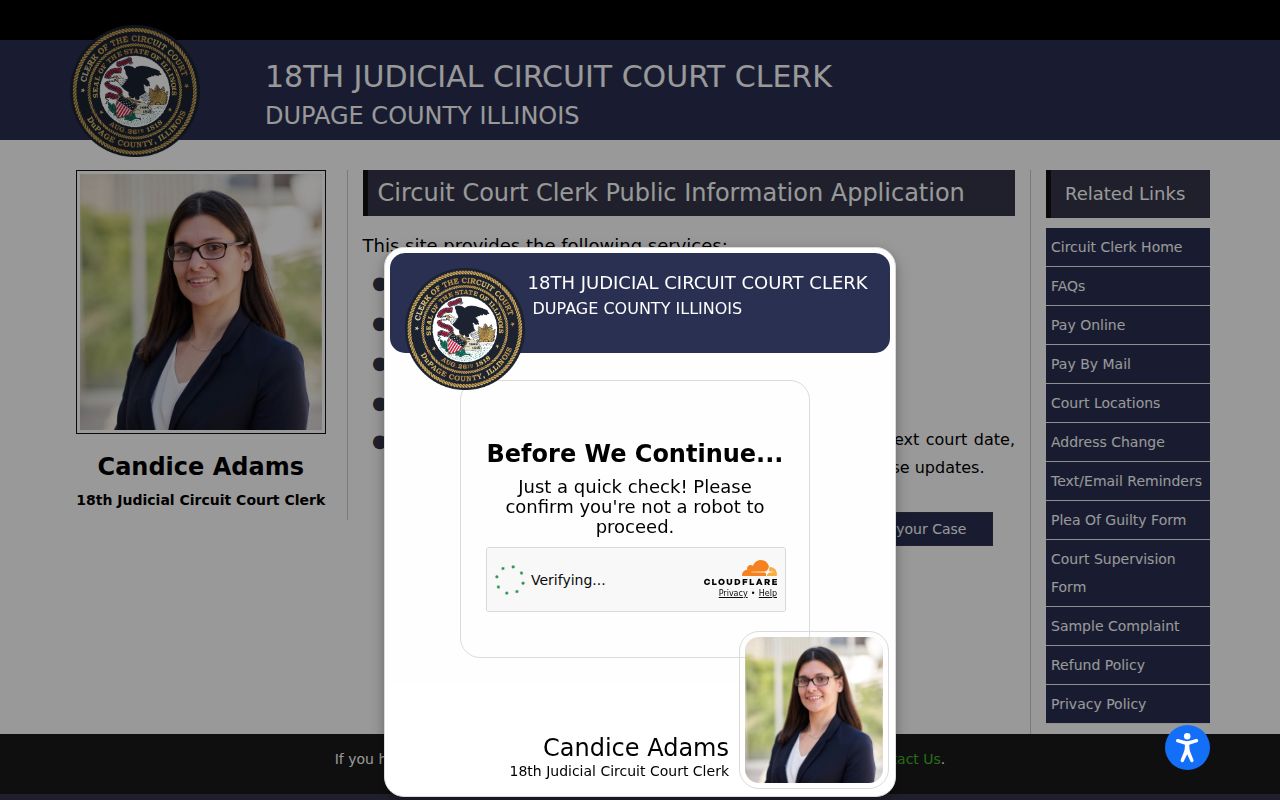
This route choice is the first safeguard against opening the wrong DuPage County criminal case.
| Field label | Type | Required | Format or use |
|---|---|---|---|
| Complaint Number | Text | Route-dependent | Ticket or complaint identifier |
| Arresting Agency | Dropdown | Route-dependent | Select from the portal list |
| Enter Case Number | Text | Route-dependent | Filed DuPage case number |
| Full Last Name | Text | Yes for name route | Enter the full surname |
| First and Middle Name | Text | Not stated | Use both to narrow matches |
| Birth Date | Date/text | Not stated | MM/DD/YYYY |
| Search Type | Radio | Yes | Person or Organization |
How to Search Case Records
Start with the narrowest identifier available, then preserve enough detail to verify what appears. The index can show status, the next court date, and docket entries. A human-verification screen may block an automated request. That is a portal barrier, not proof that the case is missing.
- Open the DuPage Public Information Application and choose case number, ticket/complaint, or party name.
- Enter the exact case or complaint number when available. For a name, use the full surname and add first name, middle name, and birth date.
- Compare the caption, filing information, and other available identifiers. A name match alone does not confirm identity.
- Read events from oldest to newest. Check the latest disposition, sentence, warrant, and scheduling entries.
- Record the case number. Request the actual pleading, order, or certified disposition from the clerk when legal effect matters.
If the search fails, use a normal browser session, call Criminal/Traffic at 630-407-8600, or ask at the clerk counter. Mail is also available for copy orders. For an identity-linked statewide self-review, use fingerprint Access and Review through the Illinois State Police Bureau of Identification. An arresting agency holds its own incident report, while the Sheriff holds its custody record.
Note: Print or write down the case number before visiting because the Eighteenth Judicial Circuit bans camera-equipped phones in the courthouse.
Read a DuPage Criminal Docket
A docket is chronological. “Open” does not mean guilt, while “closed” does not identify the outcome. A first charge row may later be amended or dismissed. A warrant entry may later be recalled or quashed. The next appearance is scheduling data and can change by written order. A balance may reflect statutory assessments, but it does not state the criminal judgment.
- Complaint
- A charging document that states an allegation, not proof of guilt.
- Arraignment
- The stage at which the charge and plea are addressed.
- Nolle prosequi
- A prosecutor's formal choice not to proceed on that charge at that time.
- Court supervision
- An Illinois disposition with distinct effects; it is not simply another name for probation or conviction.
- FTA
- Failure to appear, which can prompt more court process. Check for a later recall.
A signed judgment or disposition gives firmer evidence than a press release, old charge row, or payment balance. When a docket seems inconsistent, note each date and order the controlling document.
What the Case File Shows
The public index and the underlying DuPage County criminal case file overlap, but they are not the same product. Index fields help locate a matter. Filed pleadings and signed orders provide the court's actual record. Document images are not promised as free downloads.
| Case Number & Court | Identifies the DuPage filing and the circuit court record. |
|---|---|
| Charging Document | Shows filed allegations, statutes, class, and counts, subject to later amendment. |
| Docket Entries | Chronology of appearances, motions, pleas, trial events, orders, and other action. |
| Hearing Dates | Lists date, time, courtroom, and judge when displayed; later orders control. |
| Disposition & Judgment | Records dismissal, plea, acquittal, finding, or judgment when entered. |
| Sentence & Conditions | May state sentence, probation, supervision, custody or release terms, and assessments. |
Protected identifiers, victim data, juvenile material, sealed or impounded documents, and some mental-health or evaluation records may be absent or redacted. A certified disposition is often the soundest item to compare with one's own Illinois criminal-history transcript.
DuPage Court Copies Through i2File
Free searching does not make every case document free. The clerk directs users to i2File court-copy ordering, which requires registration. At the research date, the published rate was $2 for page one, $0.50 for each page from two through twenty, and $0.25 for each later page. Certification costs $6 per document. The same clerk rates apply online, at the counter, and by mail.
The official ordering instructions show that document retrieval is a separate step from case lookup.
Ask for the specific complaint, order, judgment, or certified disposition rather than assuming the whole file is needed.
Restricted CRIS access for attorneys and agencies is separate. So is e-filing. A portal that accepts a filing does not grant a public viewer access to protected DuPage County criminal court records.
Stages of a Criminal Case
The public court file starts with charges that are actually filed, not with every allegation at arrest. Prosecutors may reject a matter, request more investigation, or select different counts. After filing, the judge addresses rights, counsel, probable cause, and pretrial status as the law requires. Motions and discovery can shape the case before a plea or trial. Discovery means the exchange of case material, but it is not all placed online for public download.
Case flow: Charges Filed › Arraignment › Pretrial › Plea or Trial › Disposition › Sentencing
Illinois's current pretrial system can involve release with conditions or detention after the statutory process. Old cash-bond wording may still appear in historical files. Use the dated, signed order instead of translating every older bond entry into a current custody status.
Restricted DuPage Criminal Case Files
Public access has real limits. Juvenile confidentiality, victim privacy, protected identifiers, expungement, sealing, and an impoundment order can remove data or documents from general view. Illinois court access rules and written judicial orders govern court files. A request under the Illinois Freedom of Information Act does not override them.
The official Illinois Courts page supplies the current expungement and sealing forms.
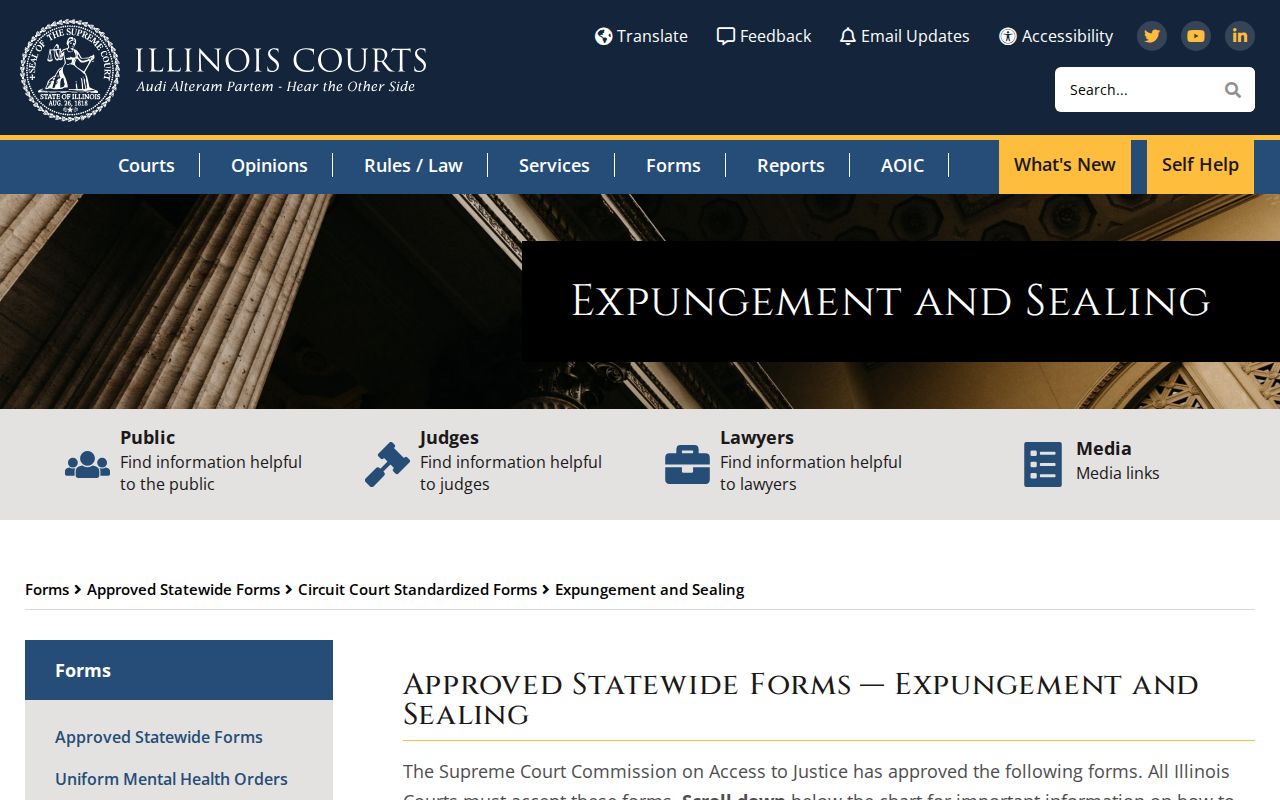
Eligibility depends on the outcome of each arrest and the person's full record, so a portal label alone cannot establish that relief is available.
An official circuit rule from elsewhere in Illinois illustrates that impoundment rests on a formal rule and order, while DuPage's own controlling law and orders govern local files.
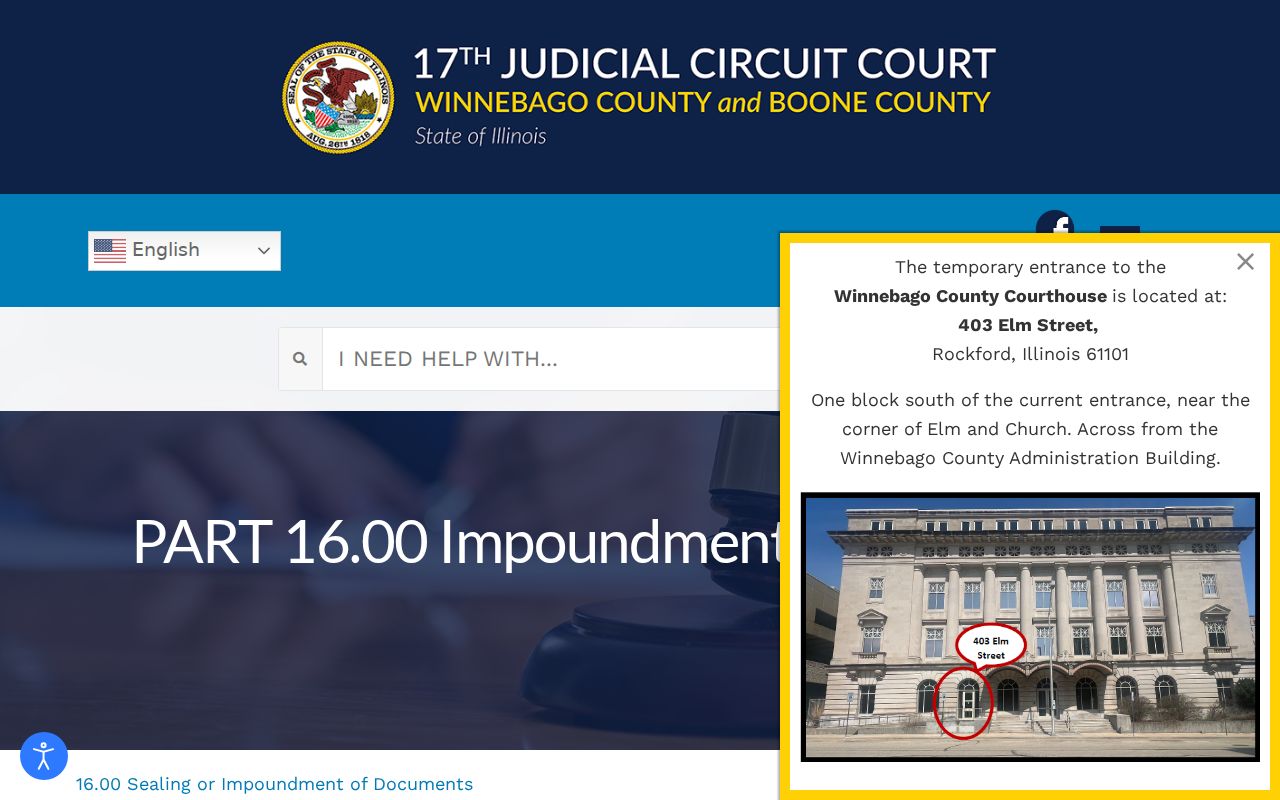
The comparison reinforces a key limit: an ordinary public request cannot open a sealed or impounded DuPage court document.
Access & Restrictions
Use the free clerk index for status, dates, and docket chronology. Use i2File, mail, or the clerk counter for available pleadings and orders. Call Criminal/Traffic when portal verification fails or an older record needs staff help. A court-date reminder is convenient, but it does not replace an official notice or written order.
For one's own broader Illinois record, ISP fingerprint Access and Review provides the prescribed transcript and a Record Challenge form. A UCIA conviction inquiry is a different product. Neither replaces a certified DuPage disposition. Police reports stay with the arresting agency, and custody records stay with the Sheriff. These distinct routes explain why one name can produce different details in separate systems.
Federal Cases Beyond DuPage Court
Federal prosecutions from DuPage County do not appear in the county circuit index. They fall within the U.S. District Court for the Northern District of Illinois. Search the official PACER federal records portal after registration, and verify the current federal fee schedule there.
PACER is the national docket channel for that separate system.
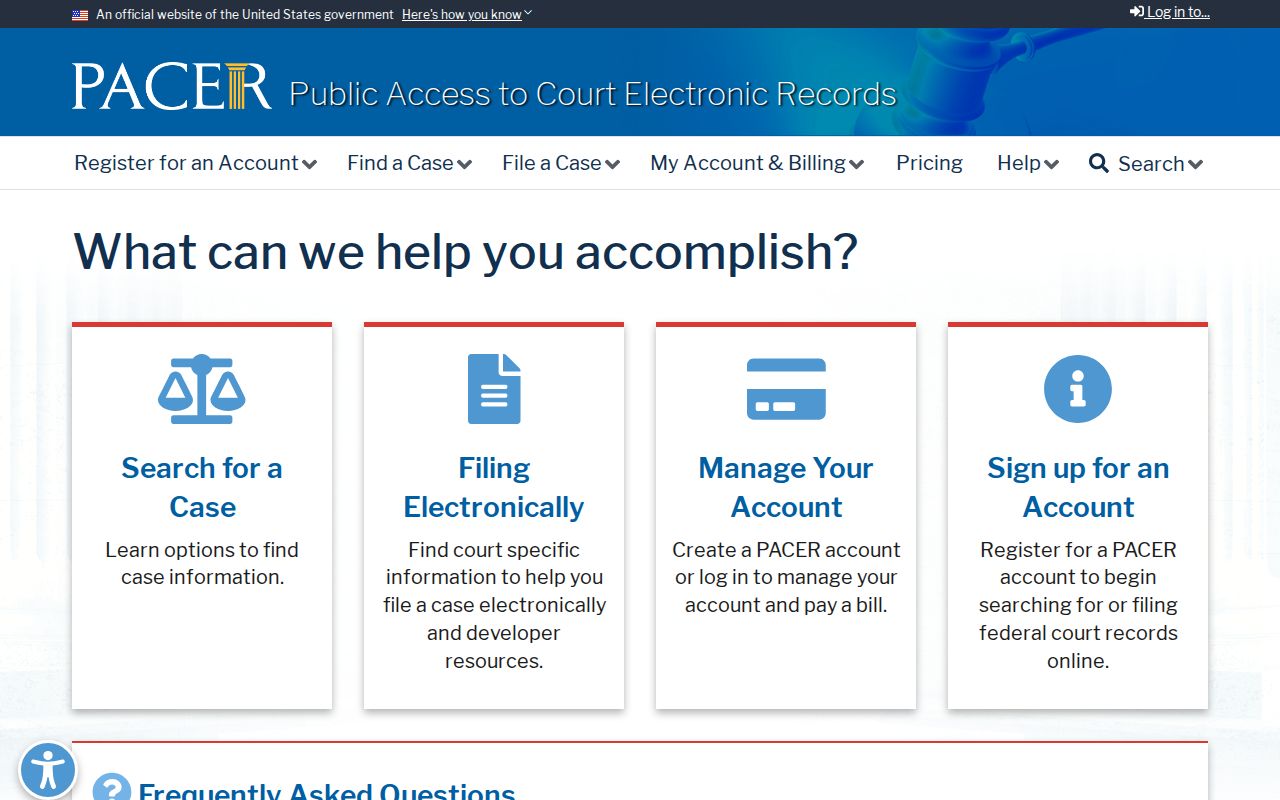
A federal result should be read in its own docket, not merged with a similarly named DuPage County case.
The Northern District of Illinois confirms the district court layer that covers DuPage.
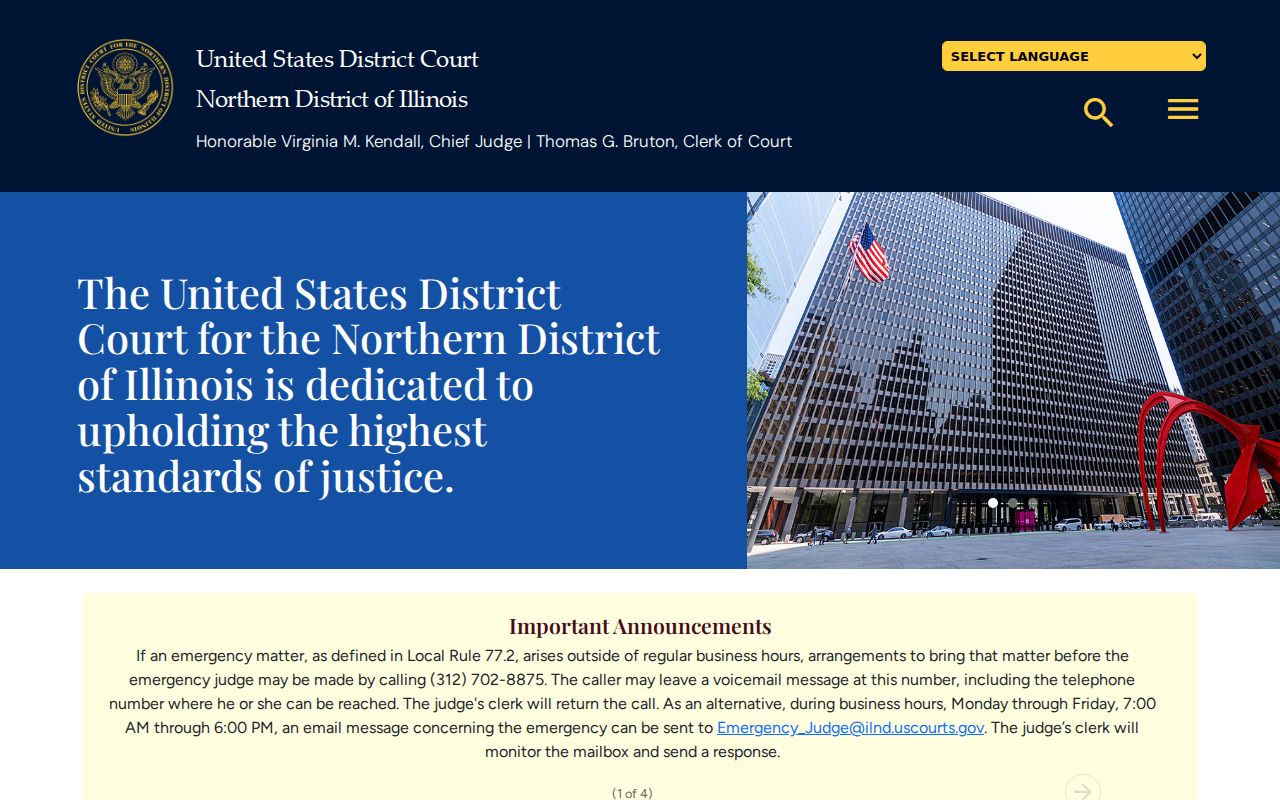
This jurisdiction split is decisive: county filings belong with the Eighteenth Judicial Circuit, while federal filings remain in the Northern District docket.