
How to Check Criminal History in Wheaton
Start with the record creator. Wheaton Police Department holds reports made by its officers. A county booking belongs to the DuPage County Sheriff. State criminal charges filed from a Wheaton event belong in the Circuit Court of the Eighteenth Judicial Circuit, not in a separate Wheaton criminal court database. Illinois State Police provides the statewide, identity-linked route for one's own record.
- Identify the incident place, approximate date, and whether Wheaton police made the report.
- Request the specific WPD report through the city's FOIA process, naming the report number when known.
- Check the Sheriff inmate search for present DuPage custody and request booking material separately.
- Search the 18th Judicial Circuit Clerk by case, complaint, or full party name for filed charges and outcomes.
- Use ISP fingerprint Access and Review for one's own statewide Illinois transcript and correction rights.
Keep the report, booking, and case numbers together. They make it easier to match records whose charge labels or dates differ. If a portal returns nothing, call the proper office or use its formal request route rather than assuming that no record exists.
Wheaton County-Seat Custodian Trap
Wheaton's role as county seat puts the city police station and the County Farm Road justice campus within a short drive. The campus itself brings together the Circuit Clerk, criminal courtrooms, State's Attorney, Public Defender, probation services, and jail-related operations. Physical proximity does not merge legal custody. A person can visit the correct campus yet ask the wrong counter.
A WPD narrative stays with the city. The Sheriff controls a Correctional Center booking. The Circuit Clerk controls pleadings, docket events, orders, and dispositions. The State's Attorney holds prosecution files but is not the general court-record counter. Ask each office for the record it created. A FOIA request sent to the county cannot force the court to release a sealed file or make the Sheriff produce a city police narrative.
Wheaton is also one of the three city guides selected for this DuPage project. The ranking uses municipalities principally associated with DuPage, based on 2020 Census counts. Wheaton's reported count was 53,970. Naperville ranks first under that method, while Downers Grove follows Wheaton. Aurora is not included because it is principally associated with Kane County, despite having a DuPage portion. These population facts explain the guide set only. They do not measure crime, arrests, or the chance that any person has a record.
The Wheaton Police Department
Wheaton Police Department is at 900 W. Liberty Drive. Its police records and FOIA channel handle city-created incident and arrest reports. The research did not verify a current records phone number or office hours from a durable official page, so confirm both with the city before visiting. A useful request identifies the requester, the precise record, date range, incident place or number, preferred medium, inspection or copy choice, and whether certification is wanted.
Ask for police records expressly. Requesting an “arrest record” without naming the event can point staff toward several systems. A written incident report may not automatically include dispatch data, 911 audio, photographs, or body-camera media. List those separately and give a tight date, time, and place. Seek an electronic copy and non-exempt portions. The city can release existing records, but FOIA does not require it to answer a legal question or build a new report.
Wheaton Police FOIA Route
The official Wheaton FOIA page is the controlling source for current submission methods, though its image capture failed and is not used here. Illinois law ordinarily gives a public body five business days to respond to a noncommercial request. That is a response baseline, not a promise that every document arrives on day five. The city may invoke a permitted extension, ask for clarification, disclose with redactions, cite an exemption, or explain that another body is custodian.
The Illinois General Assembly publishes the Illinois Freedom of Information Act, including the rules that govern public-body responses and exemptions.
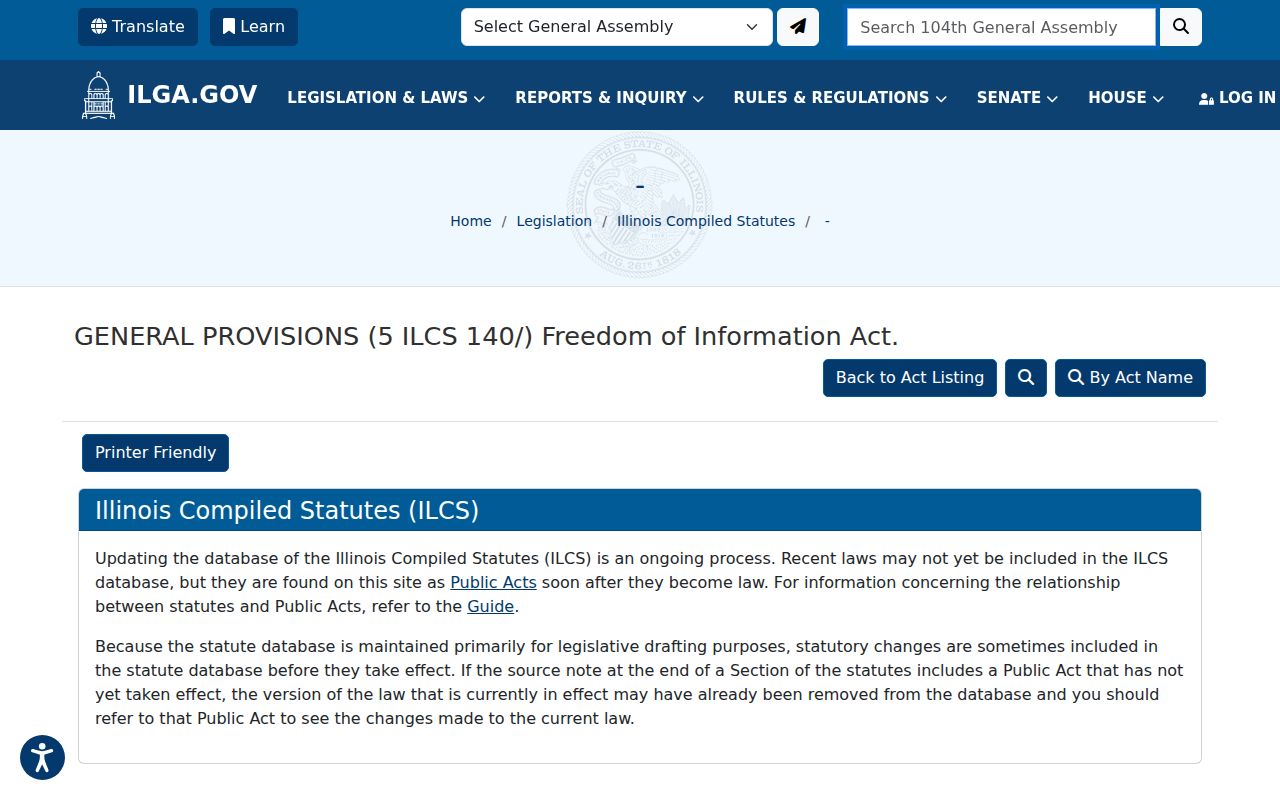
The statute supports access to segregable, non-exempt portions. It also permits specific protection for private, juvenile, victim, safety-sensitive, and active-investigation material when the cited legal test is met. A denial must identify its basis and review rights.
Arrests and Bookings in Wheaton
A WPD arrest can produce several records. Police create the incident or arrest report. When the person is lodged at the DuPage Correctional Center, Sheriff staff confirm authority and identity, inventory property, perform intake screening, capture fingerprints and a photograph where required, and assign a booking number. The Sheriff's inmate search answers whether someone is in present county custody. It is not a complete Wheaton arrest archive.
The State's Attorney then decides what, if anything, to file. Filed allegations can differ from the arrest charges. A judge determines release conditions or detention under Illinois's current cashless-pretrial framework. Old records may still use bond terms, so read the current signed order. Release, transfer, delayed entry, or a spelling mismatch can remove or hide a name in a live custody search without erasing the earlier booking.
Wheaton Police or County Record?
The right source depends on the question. Ask WPD what its officer reported. Ask the Sheriff whether county intake occurred and what the booking file contains. Ask the Circuit Clerk what charge reached court and how it ended. Ask ISP what qualifying Illinois events and dispositions are linked to one's own fingerprints.
| Wheaton or DuPage Source | Record Controlled |
|---|---|
| Wheaton Police Department | City incident and arrest reports created by WPD |
| DuPage County Sheriff | County booking, custody, and Sheriff-created reports |
| 18th Judicial Circuit Clerk | Filed charges, docket events, orders, dispositions, and copies |
| Illinois State Police | Reported statewide criminal-history cycles and prescribed inquiry products |
This split also explains a common “no record” response. The office may have searched correctly but never created the requested document. Confirm the agency, date, and identifier, then redirect the request.
Wheaton Municipal Court Records
Wheaton has no separate public municipal criminal case index that replaces the DuPage Circuit Clerk. State criminal cases and filed traffic matters route through the 18th Judicial Circuit. Local ordinance or administrative matters must be confirmed with the city because not every citation becomes a circuit criminal case. Read the citation number and filing information before choosing a system.
| Court Name | Circuit Court of the Eighteenth Judicial Circuit, DuPage County, for state criminal filings |
|---|---|
| Case Types Heard | Felony and misdemeanor cases, plus filed traffic matters; city administrative matters require separate confirmation |
| Case Lookup Channel | DuPage Public Information Application by case number, complaint or ticket, or party name |
| What the Docket Shows | Case status, next court date, docket entries, charges, events, and financial information when public |
| Copies & Fees | Order through i2File or the Clerk; published fees are $2 for page one, $0.50 for pages 2-20, $0.25 later, plus $6 certification per document |
The free index does not promise free document images. Sealed, impounded, juvenile, protected, or other confidential material will not be publicly available merely because a search route exists.
Search Wheaton Cases by Name
The DuPage Public Information Application offers three routes. A known case number is the cleanest. A complaint or ticket search can use the paper identifier and arresting agency. The party route calls for a full last name, with first name, middle name, and birth date available to narrow results. “Person” and “Organization” are separate choices. Do not assume that partial surnames or wildcards work.
A human-verification screen can interrupt automated searching. Failure at that screen does not mean the case is absent. Try a normal browser session, then contact Criminal/Traffic at 630-407-8600 or use the public counter. Read the docket from newest to oldest as well as chronologically. “Open” does not show guilt, and “closed” does not reveal the result. Verify the disposition event and signed order.
Where Wheaton Records End Up
The records move on different clocks. A Wheaton officer writes the report first. Sheriff corrections creates a booking only if county lodging occurs. The Circuit Clerk opens a file only when a charging document or citation is filed. ISP receives reportable fingerprint data, then later relies on justice agencies and clerks to supply qualifying dispositions.
Record flow: Wheaton Police Department › DuPage County Sheriff and 18th Judicial Circuit › Illinois State Police Bureau of Identification
A missing outcome in a state transcript can result from timing, an identifier mismatch, rejected prints, or reporting error. For one's own inaccurate record, obtain the certified court disposition and use ISP Access and Review with its Record Challenge form. A public UCIA conviction inquiry is a different and narrower product.
Wheaton Courthouse Phone Ban
The Judicial Center is at 505 N. County Farm Road in Wheaton. The Clerk publishes weekday hours of 8:00 a.m. to 4:30 p.m., excluding court holidays. Court rules ban recording devices, including camera-equipped cell phones, from courthouses. A visitor who stores the case number or ticket only on a phone may arrive unable to use it.
Write or print the case number, office destination, and document list before the trip. Confirm current device-storage practice instead of assuming lockers exist. The campus has separate offices, so proximity still does not authorize one counter to release another custodian's file. i2File copy ordering can avoid a trip, but registration is required and the same published copy fees apply.
Wheaton Criminal Record Contents
WPD reports can contain the event narrative, alleged legal authority, involved property, and arrest details, subject to redaction. Sheriff booking data can add an intake number, date, custody status, charges or holds, and release information. The Clerk file can show the filed charge, appearances, orders, disposition, sentence, and financial assessments. An ISP transcript can associate names or aliases, fingerprints, arrest cycles, contributor agencies, charge codes, court tracking, and reported outcomes.
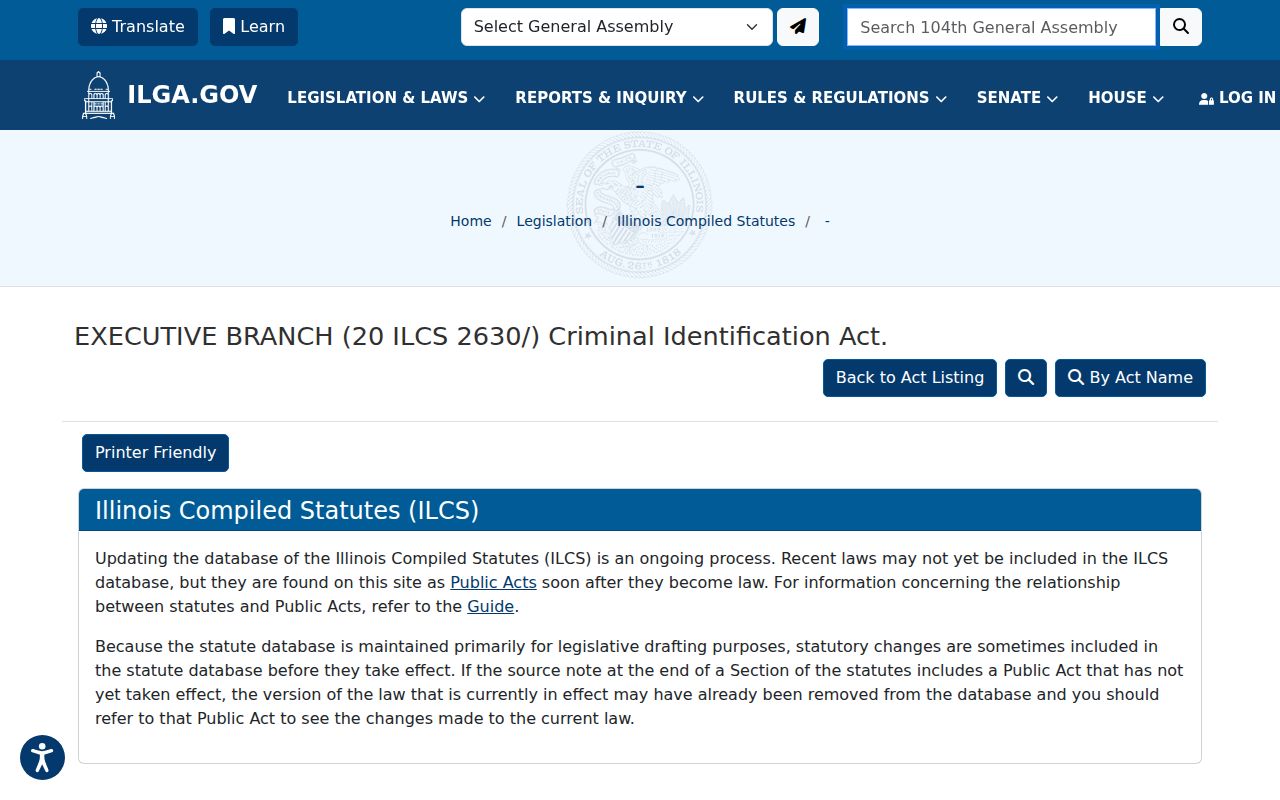
The reporting law helps explain why a court dismissal does not by itself prove that every arrest-cycle entry has already been removed or corrected.
When Wheaton Charges Are Missing
A recent WPD arrest may not yet have a matching Clerk result. Filing can lag arrest, prosecutors can choose different counts, or they can decline to file. Search by full name and date of birth, then try the complaint or case number if one becomes available. Check the Sheriff only for current custody. Its absence cannot decide whether a case was filed.
If the legal result matters, contact Criminal/Traffic and request the filed order or certified disposition. Do not infer guilt from a police release or intake charge. A complaint states an allegation. A dismissal, acquittal, plea, or judgment appears later in the court record, and a state transcript may update on a different schedule.
Public Access Rules
Illinois FOIA governs requests to WPD for existing city records. Court access follows statutes, Supreme Court recordkeeping rules, Clerk procedures, and sealing orders instead. Juvenile matters are generally confidential. Police may redact information when a specific exemption protects privacy, victims, confidential sources, investigative methods, safety, or a pending matter, but must release reasonably segregable portions.
Key Statutes:
Illinois Freedom of Information Act, 5 ILCS 140 - Sets request, response, fee, exemption, and denial-review rules for city police records.
Criminal Identification Act, 20 ILCS 2630 - Governs criminal-history reporting and Illinois expungement and sealing procedures.
Uniform Conviction Information Act, 20 ILCS 2635 - Makes conviction information available through the state's prescribed inquiry process.
The General Assembly's UCIA page provides the official conviction-information text.
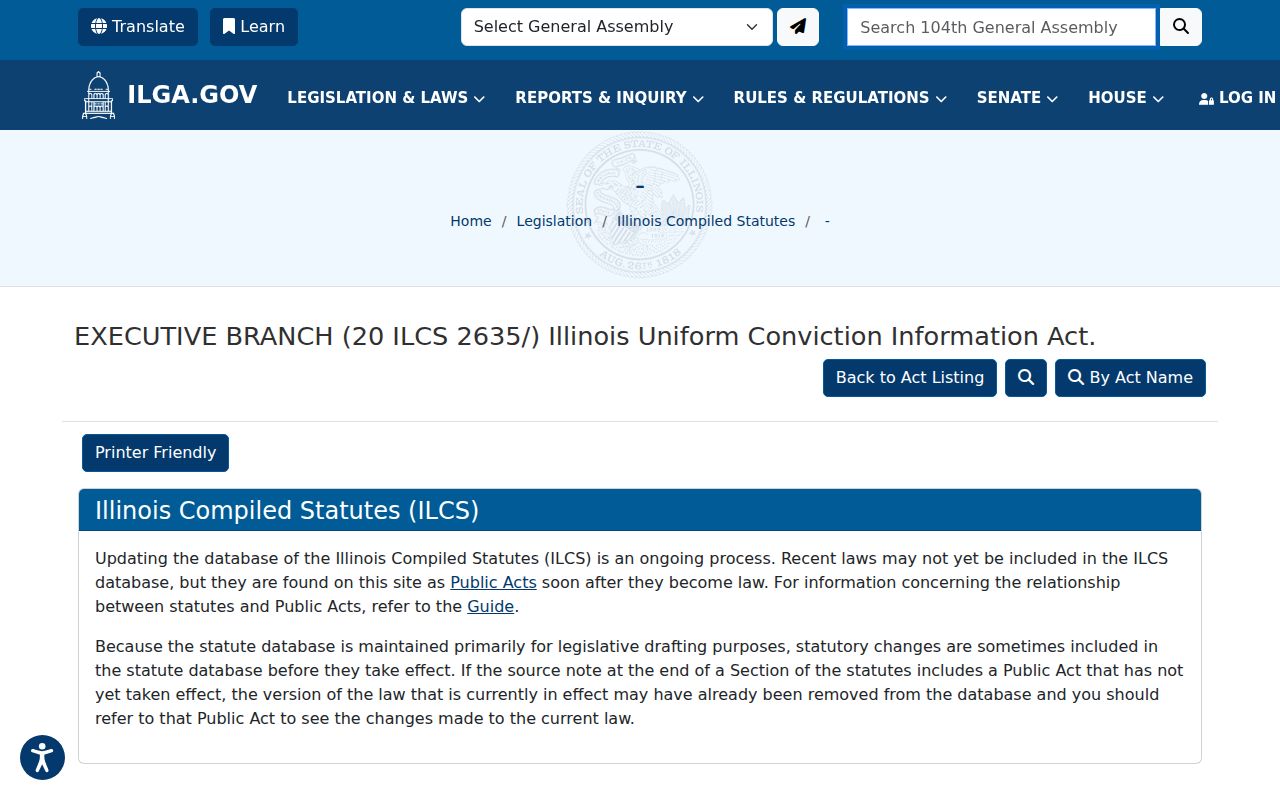
UCIA access is not the same as a complete fingerprint-based review of one's own Illinois record. Confirm identity and disposition with the originating offices.